
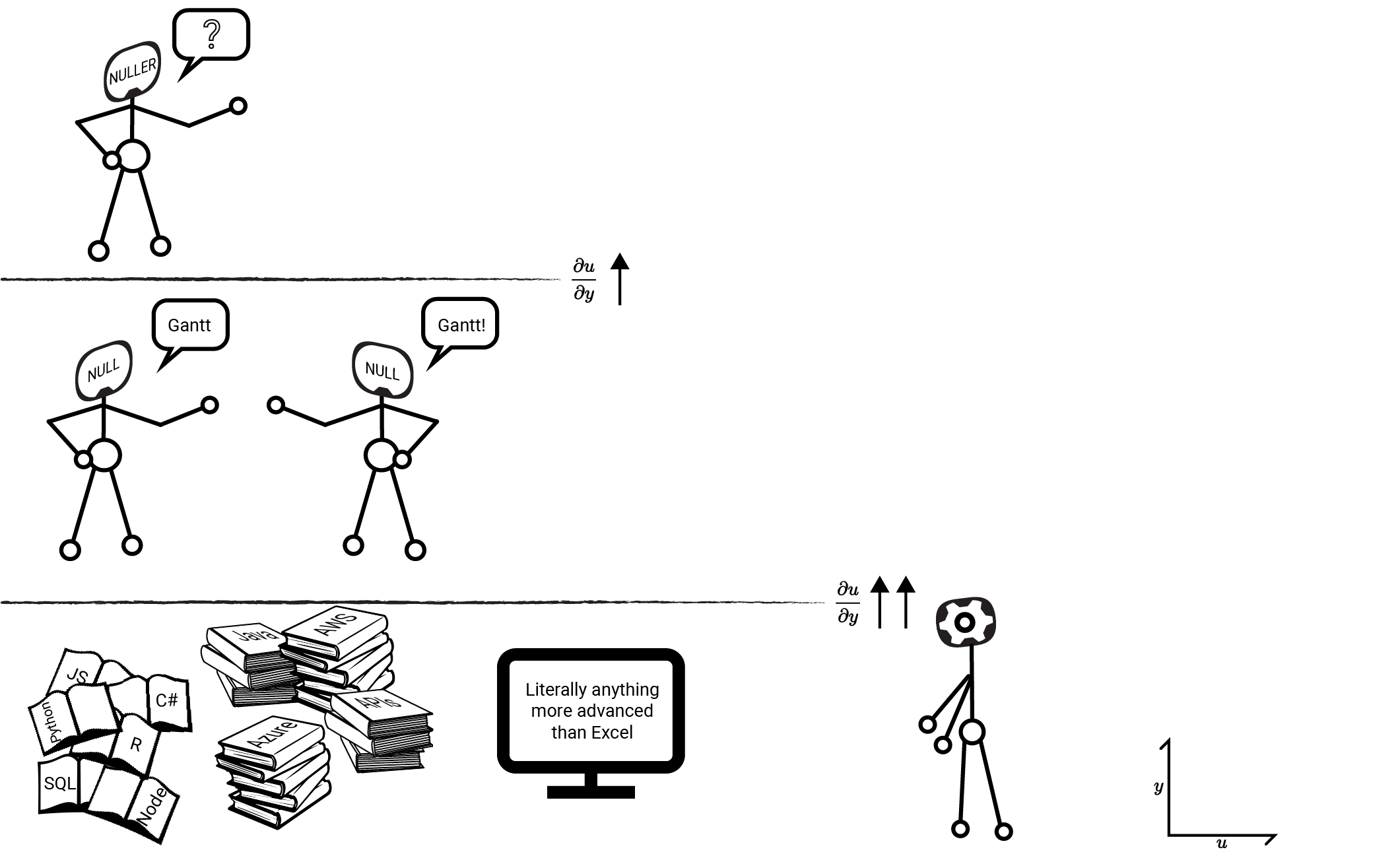

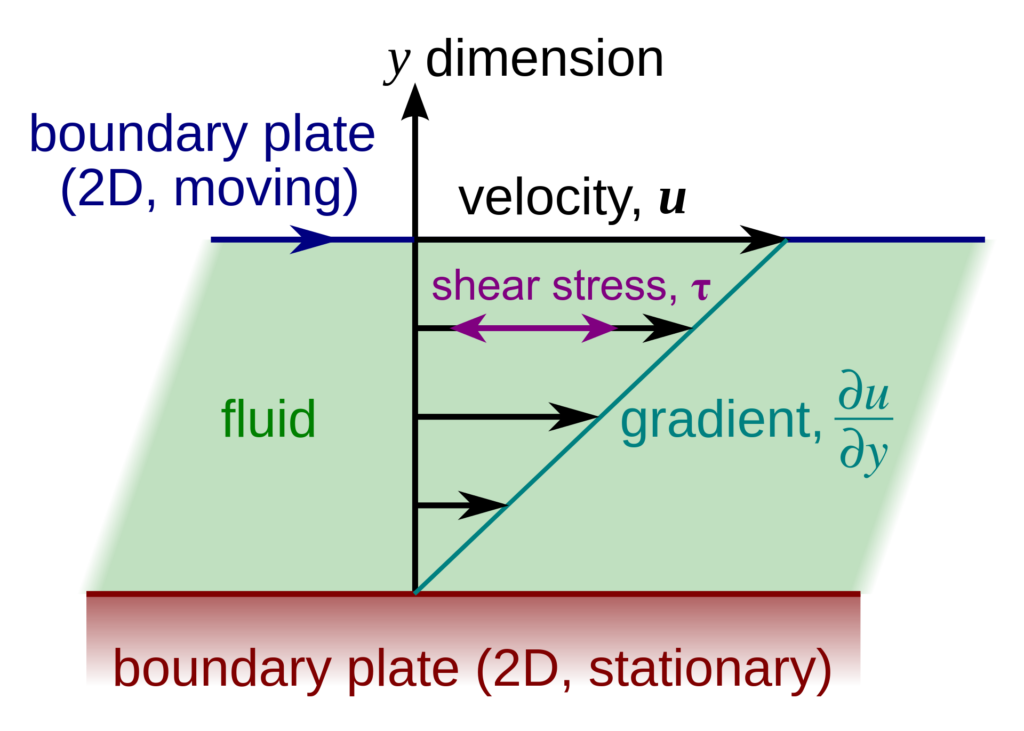
In overly simple terms, viscosity is the measure of resistance to change between two forces moving at different speeds. It doesn't take much imagination to extrapolate this physical interaction as the resistance to change from management as it concerns the implementation and further development of technology.
Middle management tends to wind up in their positions in one of three ways:
By existing long enough in a technical role and exhibiting at least some inclination of leadership; by simply being placed in a role due to project management abilities; or by having their asses miracles up there whether by nepotism, the good ole boys club, or HR needing to check a diversity box. The first option here is by far the most desirable, as any amount of technical understanding lessens the time and friction necessary for technical explanation. The second can still get by, as long as the company is appropriately staffed, as their limited knowledge base will all but preclude them from ever being able to succinctly relay information- they are forced to rely on their reports to expound; and those reports will only be able to do so if their hair isn't on fire (if the company is running too lean you can either do work or you can talk about your work). The third option is a dumpster fire and should be vacated immediately; there can be no hope for a company that operates thusly.
So we can say the the corporate viscosity breeches thicker the less technical knowledge those in authority possess.
Now those effect amplifies when we get to the senior leadership level (which we'll arbitrarily define as director level positions and above), as those jobs are historically predicated and having other people explain things to them (and having meetings specifically for that purpose). Our viscosity is starting to thicken considerably now- as the traditional method of corporate communication is "you don't talk to my boss- you talk to me then I try to explain what you said to my boss". Even if the knowledge role is given face time at higher levels of the layer cake, there is often such a disconnect between the way knowledge roles are used to (and expected to) communicate and the way senior leadership roles are used to receiving communication that there is very little knowledge transferred. The relative speed between the two "plates" remains unchanged.
All this, to this point, is nothing new. This is the way things have worked since we first figured out how to grow crops well enough to cluster humans together. Bureaucracy and management hierarchies necessitate a certain amount of condensation of knowledge as we progress up the hierarchy. What HAS changed is that things have never been more technical than they are now; those technical (read: technological) advances are EXTREMELY granular; and now EVERY company wants to take advantage of them. But how does the understanding of what technology can change for the company reach the decision makers? Management consultants are practically useless here- they're just going to pass you off to one of their "trusted partners". The Big 4 are going to throw out the fear mongering Boogeyman of SOX and ITGC. Boutique consultants will assuredly get the job done- but quality doesn't come cheap and they work on discrete use cases. Once that use case is resolved, you're on your own. And you STILL haven't increased your own business leadership's understanding of what is happening and why that impacts the bottom line.
So what are we advocating for here?
Well, number one is *you have to give a shit*. We are *swiftly* exiting the "I have a Harvard MBA and made partner in MBB" golden parachute era. Institutional investors are getting smart. They're hiring people who understand these technologies and they're only going to tolerate vague platitudes and hollow buzz words for so long. The more your managers understand, the lower their corporate viscosity, the less time we have to spend breaking out the crayons, and the fewer billable hours we have to invoice you for.