

Enterprise Resource Planning is an interesting and clinical sounding definition for what is by far the most labyrinthine and hellish landscape of data existing in our current world. If you are unfamiliar with the concept, in short it is the data storage and integration for all financial transactions of your company. Accounts payable, accounts receivable, address book (list of people you pay or pay you), the general ledger (the literal transactions of being paid or paying others). This is necessary information for any [publicly traded] company to record for regulatory reporting and well…just the continuation of business.
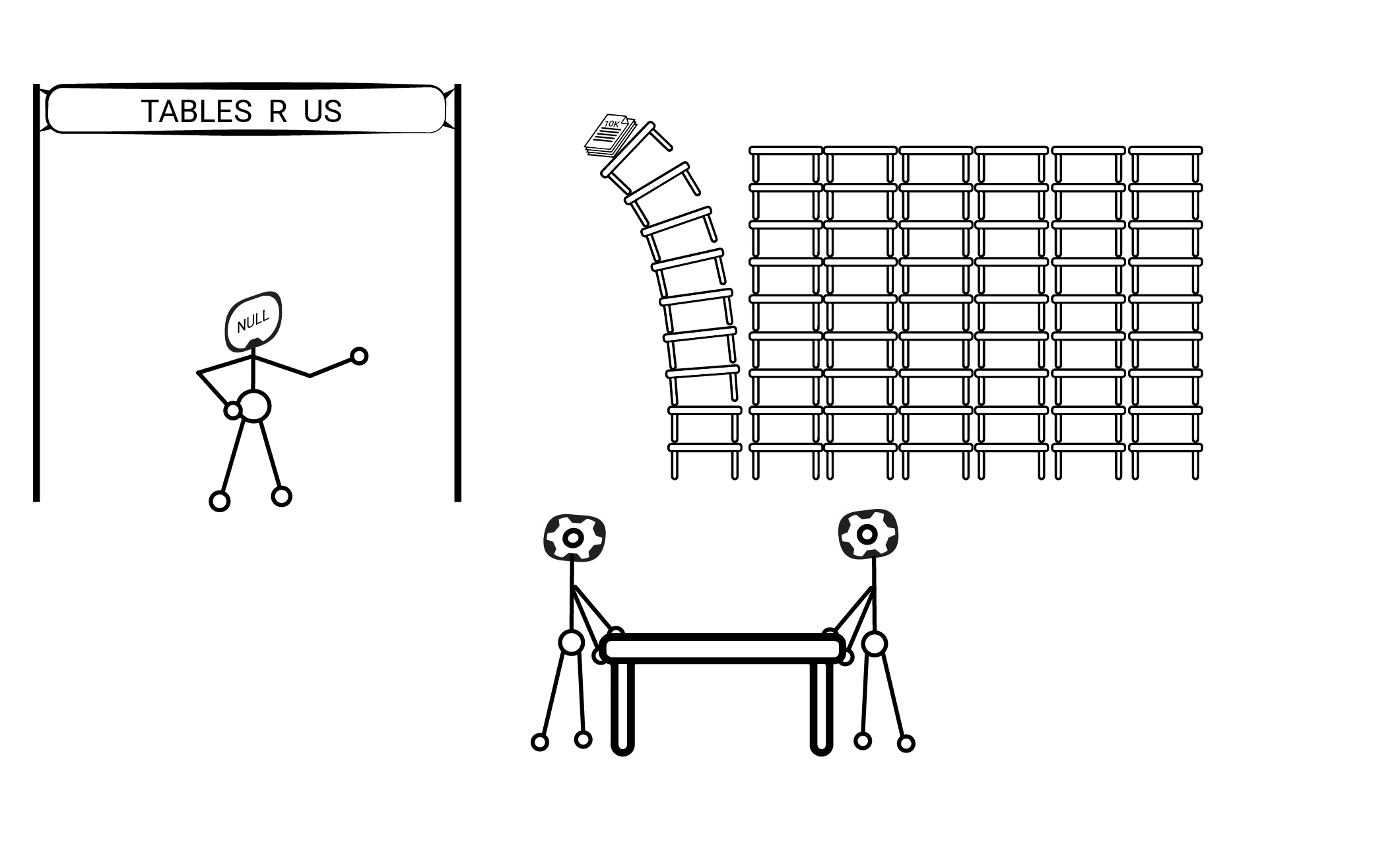
Now, from the data side, these present really complex and interesting challenges. SAP, the big boy in the ERP arena, has over 80,000 tables. Eighty thousand. That is a massive relational ball of yarn to untangle- complicated by the fact that most of its contents are only meaningful to accountants; and the venn diagram intersection between accounting and software engineering is measurably by maybe a vernier caliper. This becomes a problem when it comes to simple integration tasks, as most data has to exist as human-readable content and then also exist as machine-friendly code that leads to efficiency in execution. When we get to more advanced integration tasks, such as exposing (or integrating) REST APIs, the problems compound; as now we have to not only deal with the relational complexity between tables but also that which comes from trying to describe relational data in an unstructured message.
The importance and criticality of ERP software is not to be ignored, and will play a pivotal role in our future moving forward as we build and integrate together disparate data sources; and solve logistical problems of the future.